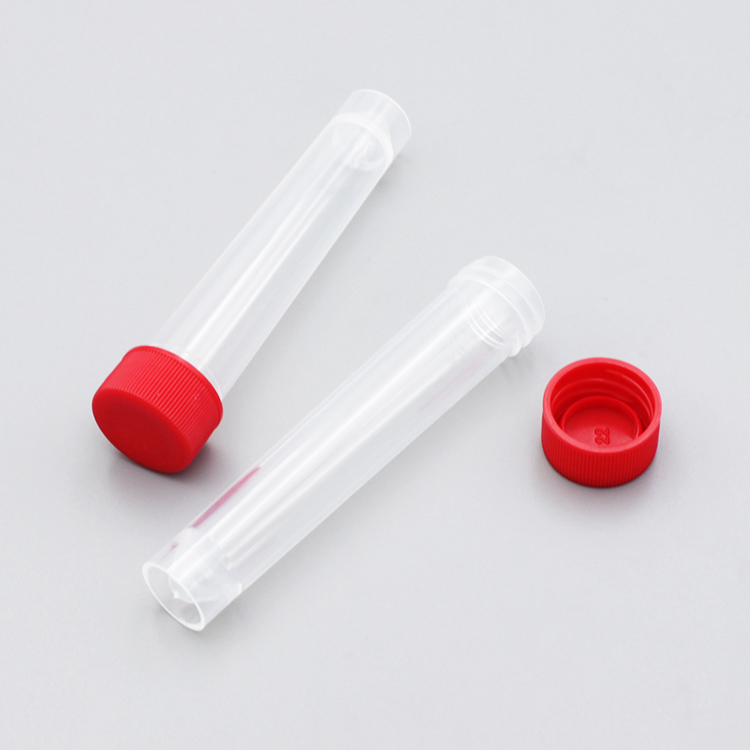
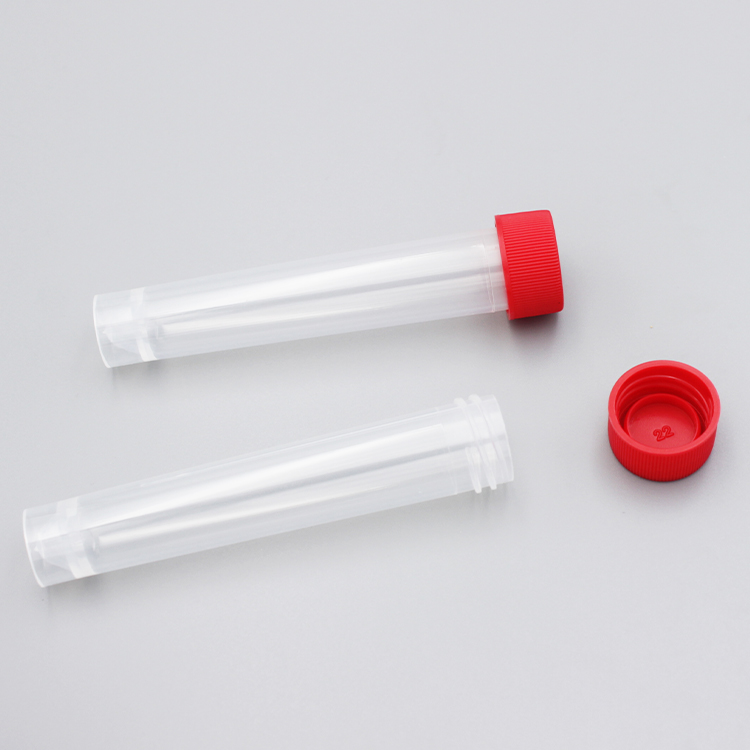
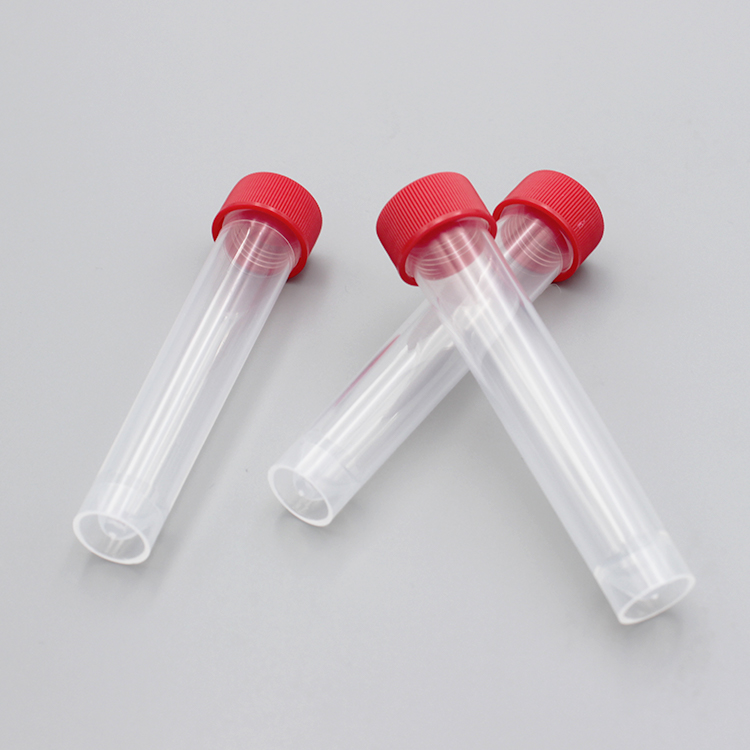
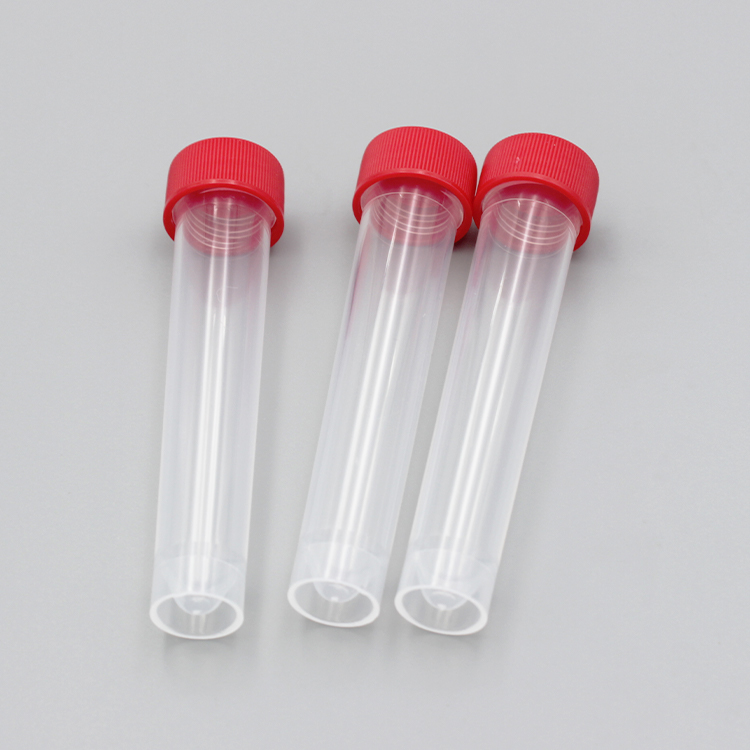
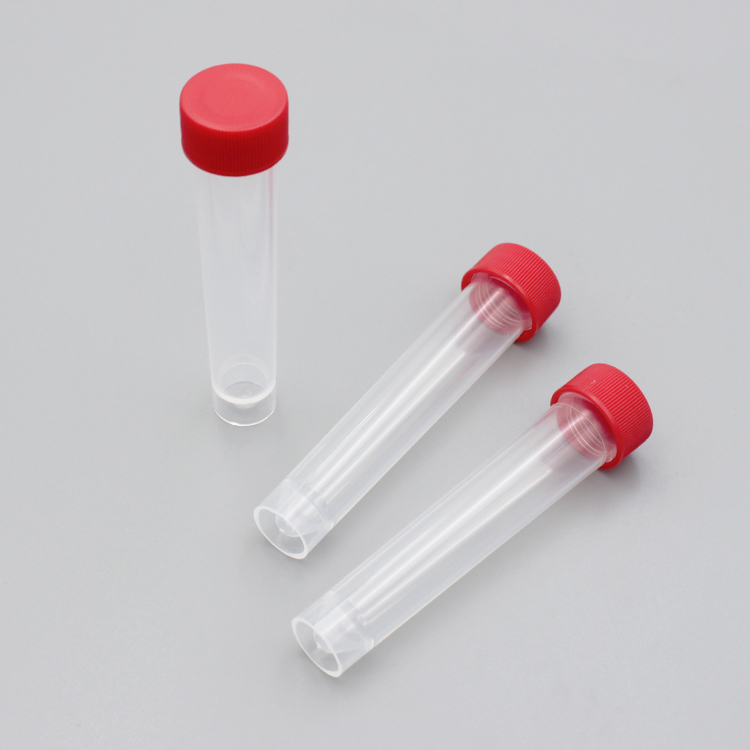
"Freezing tube" refers to a type of laboratory tube designed for the storage and preservation of samples at low temperatures, typically below 0°C. These tubes are commonly used in various scientific and medical applications where controlled freezing and storage of samples are required.
Freezing tubes are typically made of durable and temperature-resistant materials such as polypropylene or polyethylene. They are designed to withstand freezing temperatures without cracking or breaking, ensuring the integrity of the stored samples. Some freezing tubes may also be made of specialized materials such as cryogenic vials or glass vials for enhanced thermal stability.
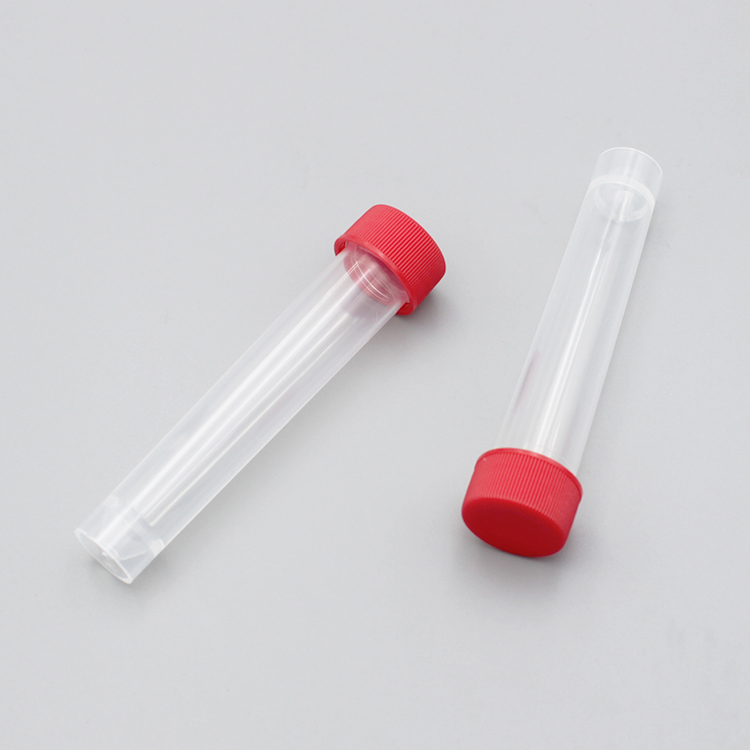
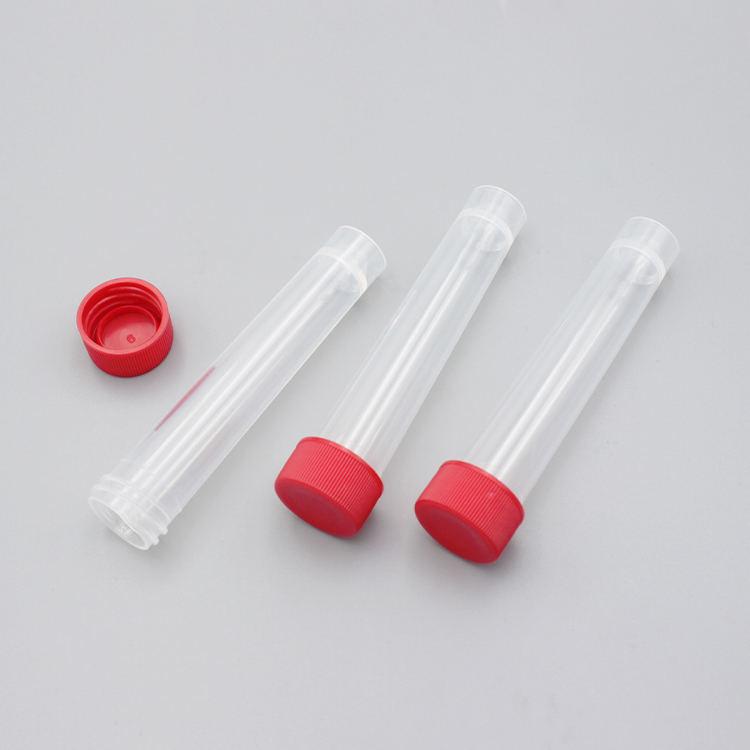
The design of freezing tubes includes features that facilitate sample storage and retrieval. They usually have a screw cap or a push-on cap that provides a tight and secure seal to prevent sample leakage or contamination. Some freezing tubes also come with an O-ring or a silicone gasket to ensure an airtight closure. Additionally, these tubes often have clear or translucent walls, allowing for easy visualization of the sample contents.
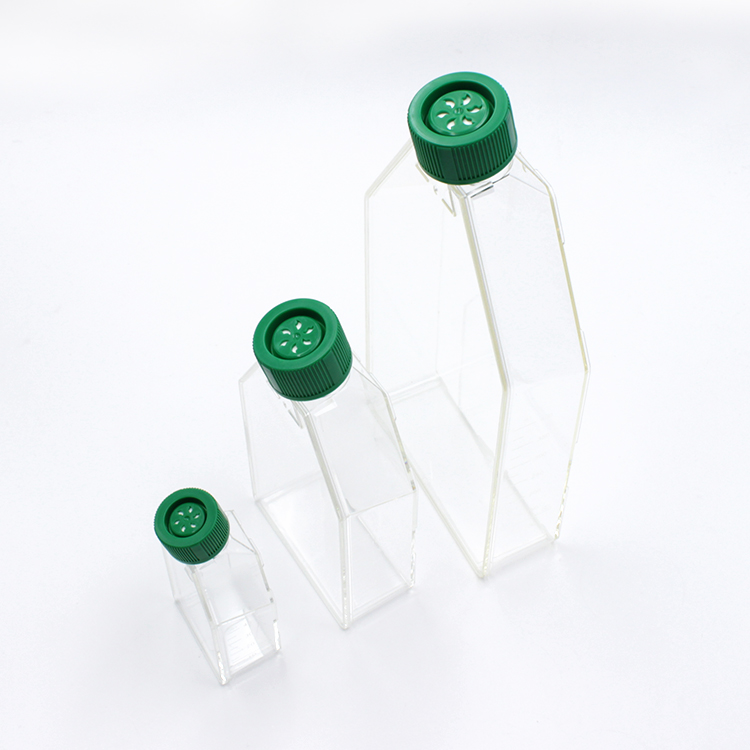
Freezing tubes come in various sizes and capacities to accommodate different sample volumes. They may have graduation marks or labeling areas to assist with sample identification and tracking. Some freezing tubes are also available with sterile options, making them suitable for sensitive applications where contamination needs to be minimized.
These tubes are commonly used for the storage of biological samples, including cells, tissues, enzymes, proteins, DNA, and RNA. They are also used for the storage of chemicals, reagents, and other laboratory materials that require low-temperature preservation. Freezing tubes are widely utilized in research laboratories, clinical settings, biobanks, and other scientific facilities.
When working with freezing tubes, it is important to follow proper freezing and storage protocols to maintain the quality and integrity of the samples. This may include using appropriate freezing agents or coolers, labeling the tubes clearly, and storing them in temperature-controlled environments such as ultra-low temperature freezers or liquid nitrogen tanks.
In summary, freezing tubes are laboratory tubes specifically designed for the storage and preservation of samples at low temperatures. They provide a reliable and convenient solution for freezing and storing various types of samples, ensuring their long-term stability and integrity for future analysis and experimentation.