


2026-02-02
For patients with neurogenic bladder who mainly present with problems such as difficulty in urination and urinary retention, there are various methods available to assist them in urination. However, each method has its own advantages and disadvantages, as well as specific applicable populations.
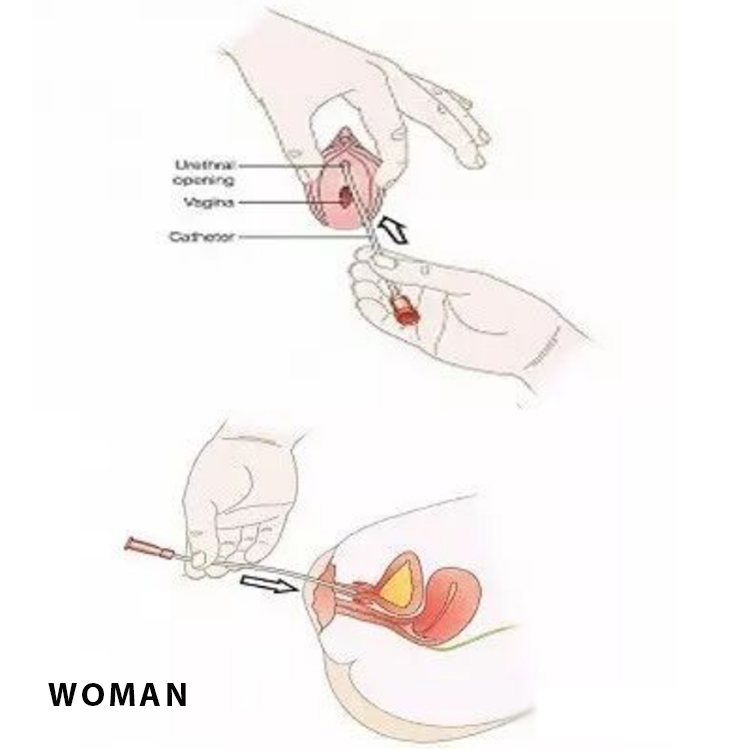
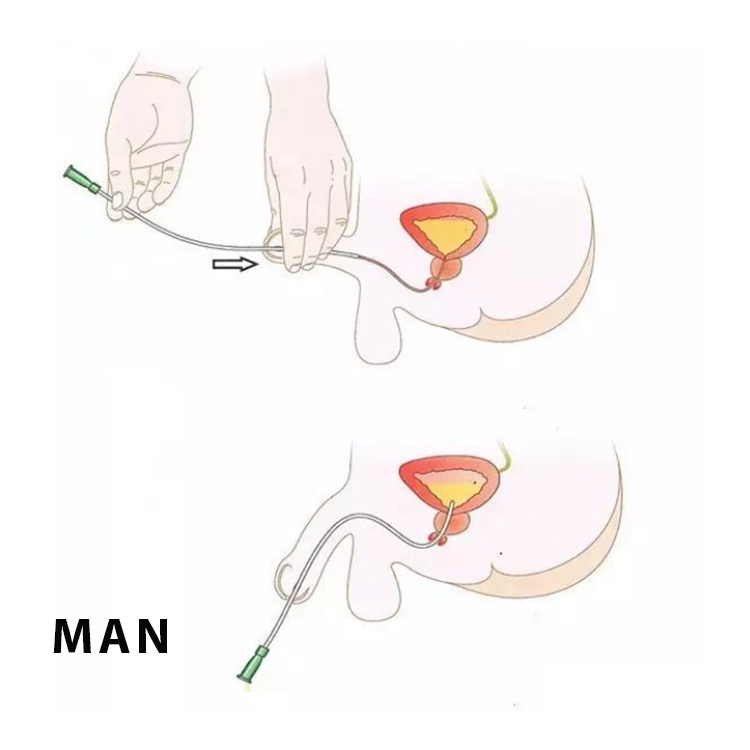
Intermittent catheterization refers to the process of moderately filling the bladder, followed by timed and quantified fluid intake and timed catheterization, to ensure that the patient's bladder is regularly emptied in a regular manner. This method can effectively reduce the risk of infection, minimize complications and injuries, and the operation is relatively simple, which can significantly improve the quality of life.
Intermittent catheterization can achieve complete bladder emptying without any persistent foreign bodies remaining in the urethra. Therefore, it has many advantages:
1.Reducing the incidence of infection, vesicoureteral reflux, hydronephrosis and urinary tract stones is currently recognized as the most effective method for protecting renal function;
2.It enables the bladder to expand and empty periodically, maintaining the bladder in a nearly physiological state, promoting the recovery of bladder function, and retraining the reflexive bladder;
3.Reducing autonomic nerve reflex disorders;
4.Few complications in the penis and scrotum;
5.Having little impact on the patient's life and social activities, and both male and female patients can continue their normal sexual life.
Compared with intermittent catheterization, methods such as indwelling catheterization through the urethra or the suprapubic approach, reflex urination, and handling of urine pads for urinary incontinence have more severe complications and poorer prognosis.
1. Long-term indwelling catheterization through the urethra can lead to repeated urinary tract infections and catheter blockage, bladder contracture, secondary stones, etc. In men, it can also easily cause urethral stricture, complications of the male reproductive system, such as scrotal abscess, urethral fistula, urethral stricture, urethral diverticulum, and epididymitis.
2. Using the method of suprapubic bladder fistula drainage can only reduce complications of the male reproductive system. Due to the continuous drainage of the fistula tube, over time, the bladder atrophies due to disuse, making it difficult to change the catheter and prone to bladder injury and bleeding; in addition, the fistula tube cannot closely adhere to the abdominal wall tissue, easily leaking urine from the side of the fistula tube, causing inconvenience to the patient's life.
3. The use of penile clamps or penile covers seems to improve the state of urinary incontinence in male patients, but this device has certain benefits for patients in the short term. However, for patients with long-term chronic bladder urinary dysfunction, it has very significant potential harm because it cannot always keep the bladder in an empty or low-pressure state, and there may be a certain residual urine volume in the bladder. Moreover, the compression of the penile clamp or the leakage of urine caused by the inability of the penile cover to fully fit the penis can cause skin edema, infection, and even necrosis.
The management of neurogenic bladder should be determined based on the type of bladder dysfunction and the results of urodynamics. For patients with persistent difficulty in urination who require long-term management of bladder function, self-intermittent clean intermittent catheterization is the best option.
The content of this article is sourced from the internet. The author assumes no responsibility for it. Without permission, copying is strictly prohibited.
|

浙公网安备33021202001967号