


2026-02-02
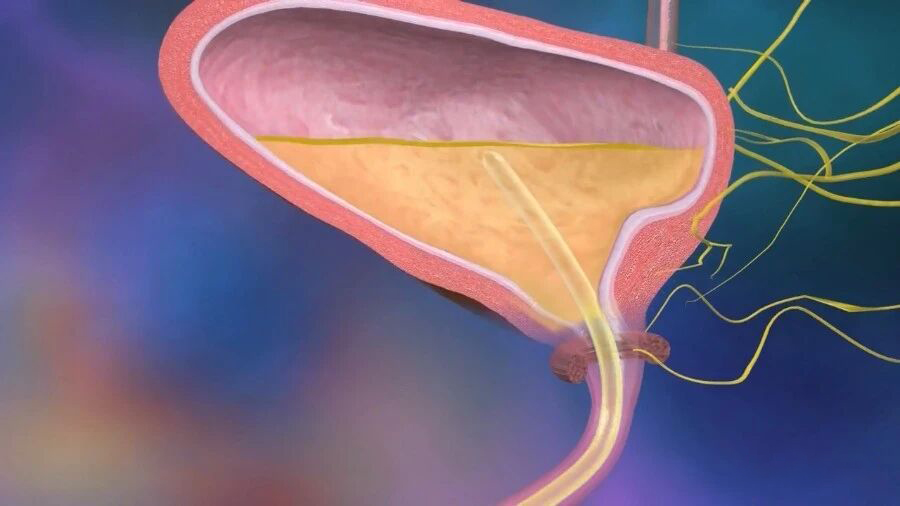
Intermittent catheterization involves not inserting the catheter into the patient's body for an extended period. Instead, the catheter is inserted intermittently through the urethra into the patient's bladder, and is removed immediately after the catheterization process is completed. Among the mainstream catheterization techniques, the clean intermittent self-catheterization method is the predominant nursing approach. The clean intermittent self-catheterization method strictly follows aseptic procedures to prevent urinary tract infections. For patient care, it is necessary to measure the residual urine volume and internal pressure in the bladder. Then, an appropriate water intake plan and a disposable catheter should be selected.
1.Measurement of residual urine volume in the bladder
Instruct the patient to empty the urine as much as possible by themselves and then immediately perform catheterization. The urine drained is the residual urine volume. Alternatively, B-ultrasound can be used to measure the residual urine volume in men within the bladder. The normal residual urine volume for women is less than 50ml, and for men it is less than 20ml. When the residual urine volume exceeds 100ml, intermittent catheterization should be implemented. The frequency of catheterization is determined based on the patient's bladder capacity, pressure, and residual urine volume. Generally, it is 4-6 times per day. When the residual urine volume is less than 100ml, the frequency of catheterization can be reduced. One catheterization is performed before bedtime and once upon waking up; when the residual urine volume is less than 50ml, catheterization can be stopped.
2. Simple measurement of bladder volume and pressure
The normal bladder capacity of an adult is 300 to 500 ml, and the pressure within the bladder during the filling phase is 10 to 15 cmH2O. When the pressure within the bladder exceeds 40 cmH2O, the risk of upper urinary tract functional disorders such as ureteral reflux and hydronephrosis significantly increases. Therefore, 40 cmH2O is regarded as the upper limit of the safe pressure.
3. Personalized Drinking Water Plan
Three days before implementing intermittent catheterization, a drinking plan is formulated for the patient. The patient is instructed to drink water at regular intervals, with the total amount of water intake limited to 1800-2000 ml per day, preferably once every hour, with each intake being 100-125 ml. Do not drink a large amount of water at once, and do not drink water before bedtime. Strictly implement the drinking plan to reasonably arrange the frequency and time of intermittent catheterization. Additionally, based on the amount of water for intermittent catheterization recommended by the patient (preferably 400-500 ml) and the total daily urine volume, feedback is provided to help the patient develop a regular urination habit and ensure that bladder training is carried out in a timely manner. Intermittent catheterization requires periodic expansion and emptying of the bladder, which is close to normal. Use the method of timed catheterization under physiological conditions to facilitate the recovery of bladder function.
4. Selection of One-Time Urinary Catheters
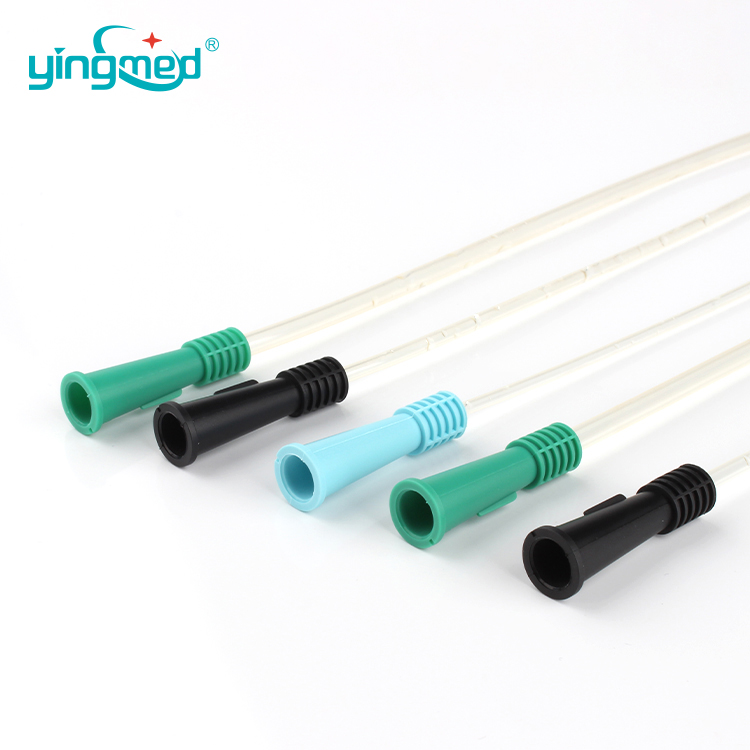
The disposable Fr8-Fr12 urinary catheters must have good biocompatibility, be soft and flexible, be made of highly conformable materials, and meet the requirements of being sterile, non-invasive, and easy to use. Currently, there are two types widely used: non-hydrophobic coating and hydrophilic coating. For patients who have just removed the indwelling urinary catheter and start intermittent catheterization, it is best to choose the catheter with hydrophilic coating. After one week, they can switch to non-hydrophilic coating catheters; if the patient's financial condition permits, they can continue to use the hydrophilic coating catheters. Because the catheters with hydrophilic coating not only cause fewer symptomatic urinary tract infections and hematuria and other complications, but also reduce the risk of urethral injury, they are the preferred choice for intermittent catheterization catheters.
The content of this article is sourced from the internet. The author assumes no responsibility for it. Without permission, copying is strictly prohibited.
|

浙公网安备33021202001967号