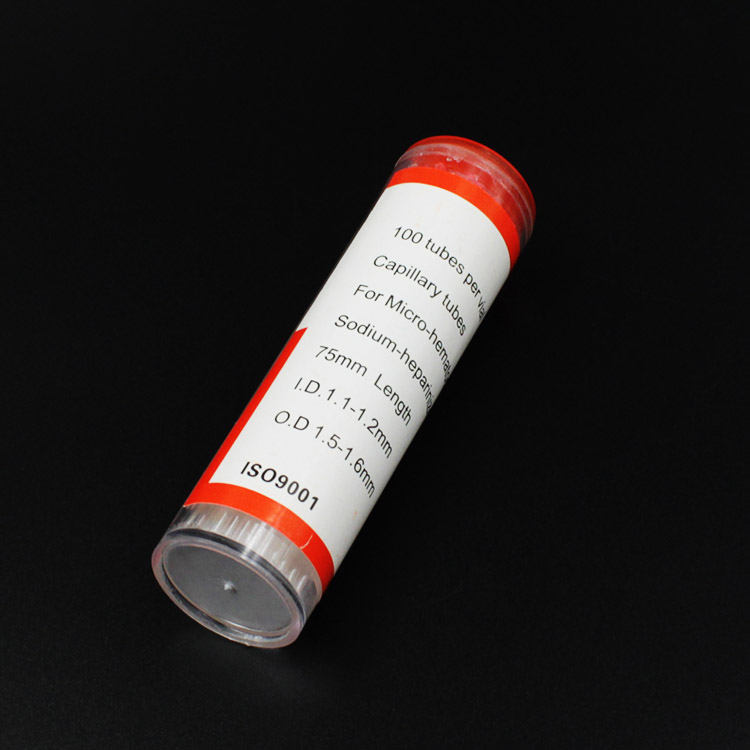
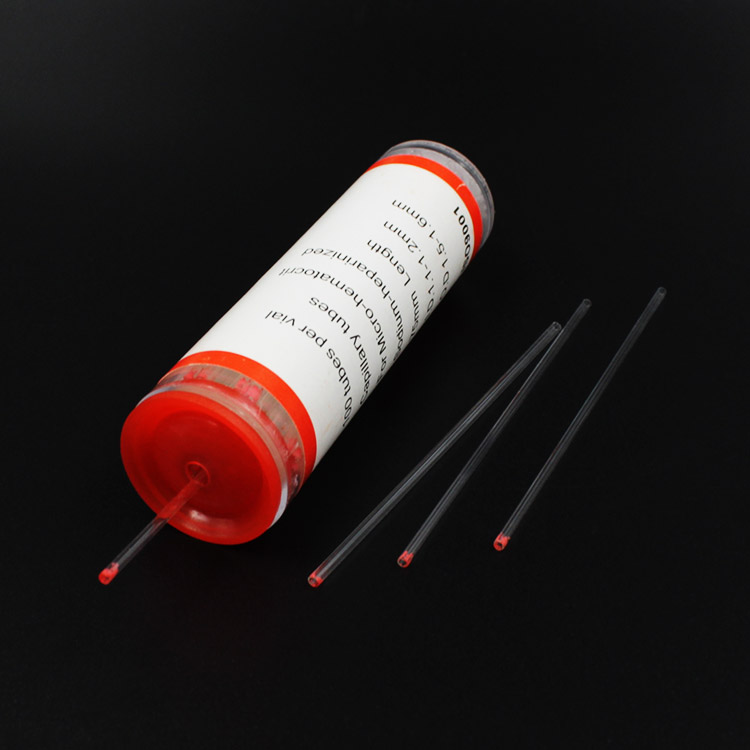
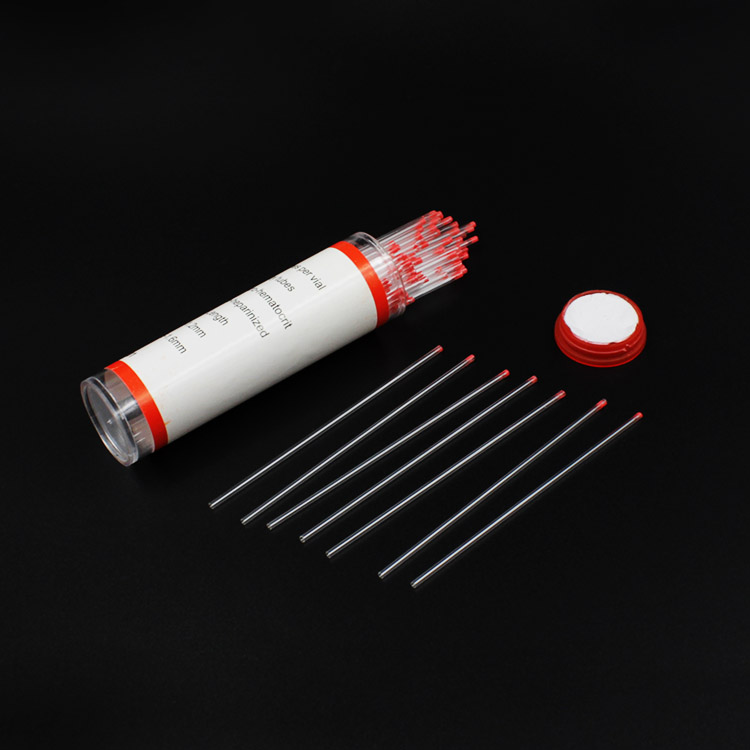
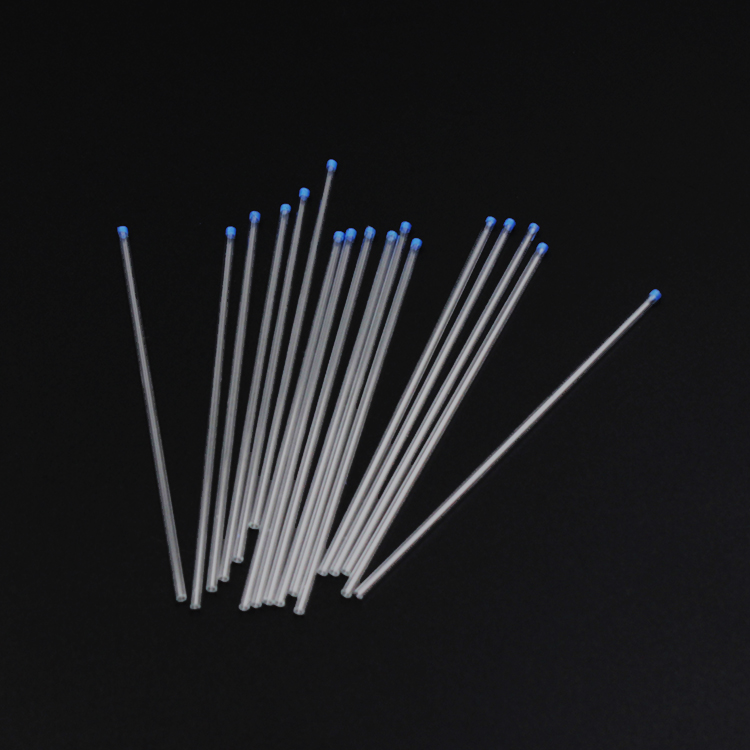
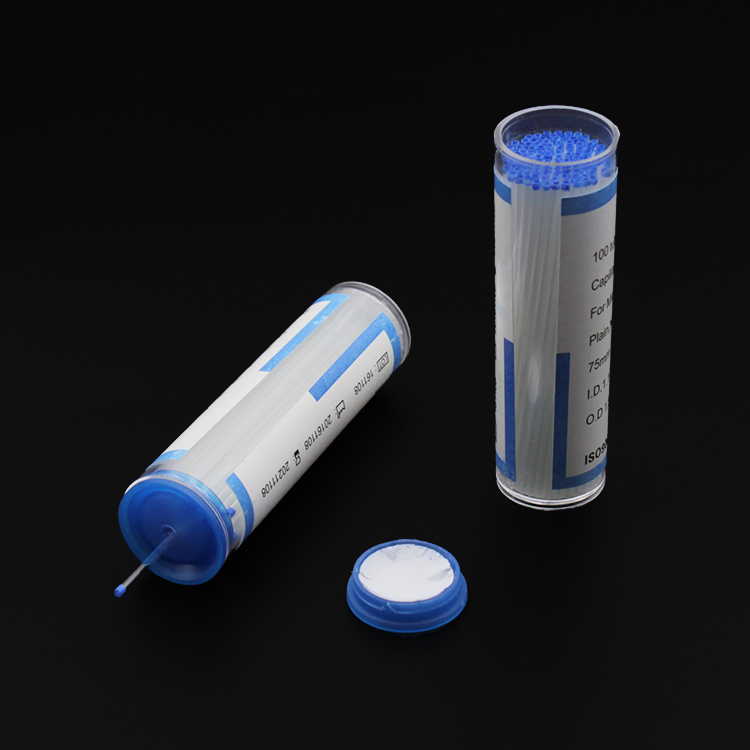
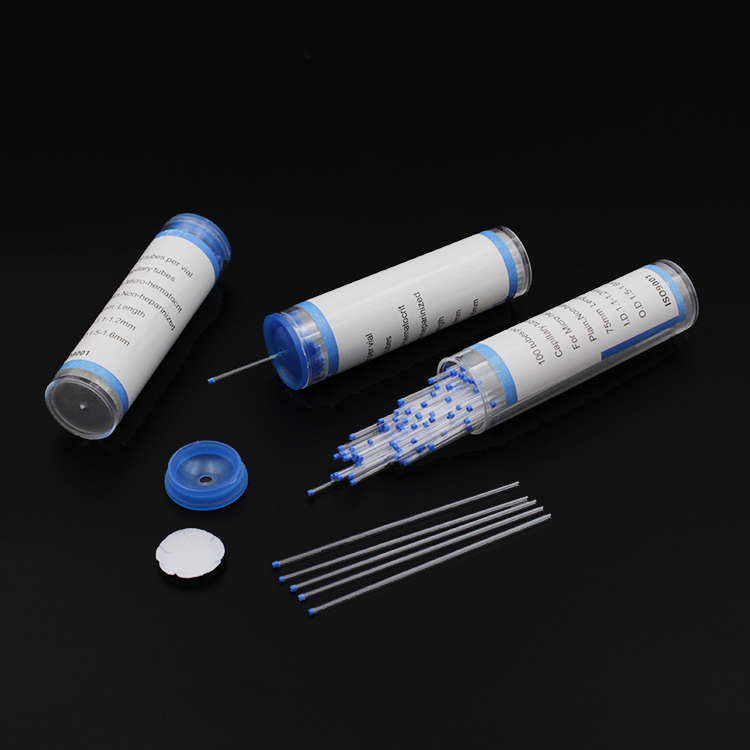
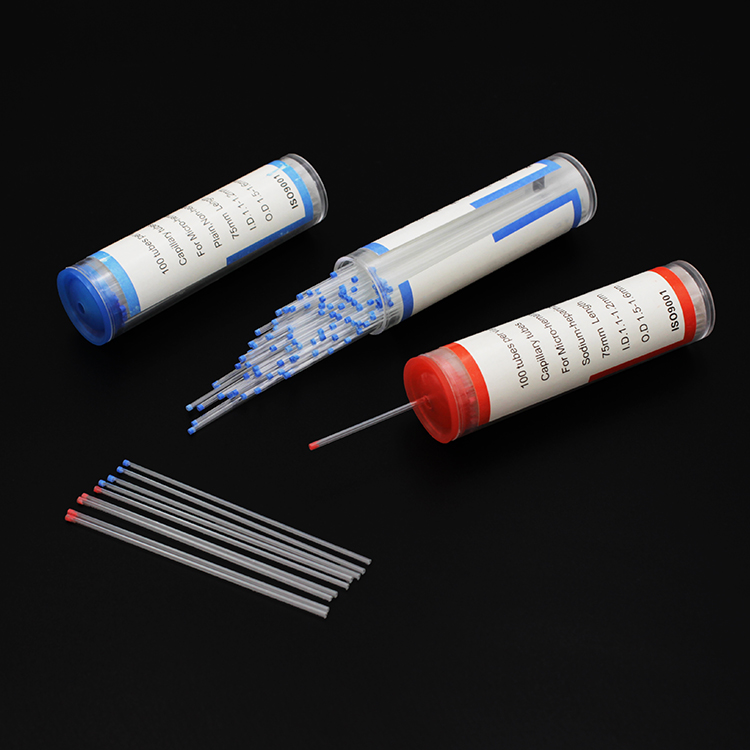
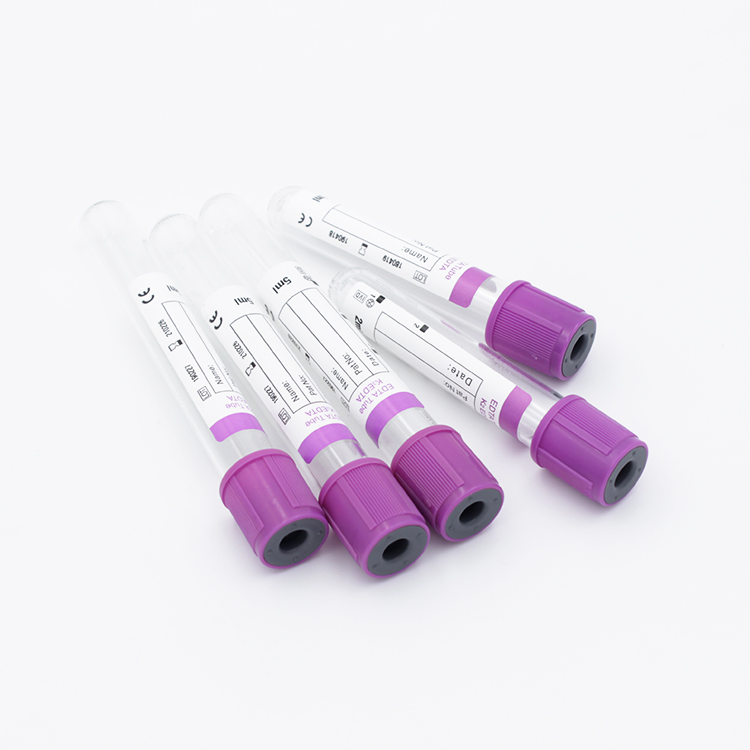
"Capillary tube" refers to a thin, cylindrical tube with a small internal diameter, typically made of glass or plastic. It is commonly used in various scientific, medical, and industrial applications for the precise measurement, transfer, or manipulation of small volumes of liquids or gases.
Capillary tubes are often used in laboratory experiments and medical procedures where accurate measurement of liquid volumes is required. They have a narrow internal diameter, which allows for the capillary action to take place. Capillary action is the phenomenon where liquid flows against gravity in narrow spaces due to the adhesive and cohesive forces between the liquid and the walls of the tube.
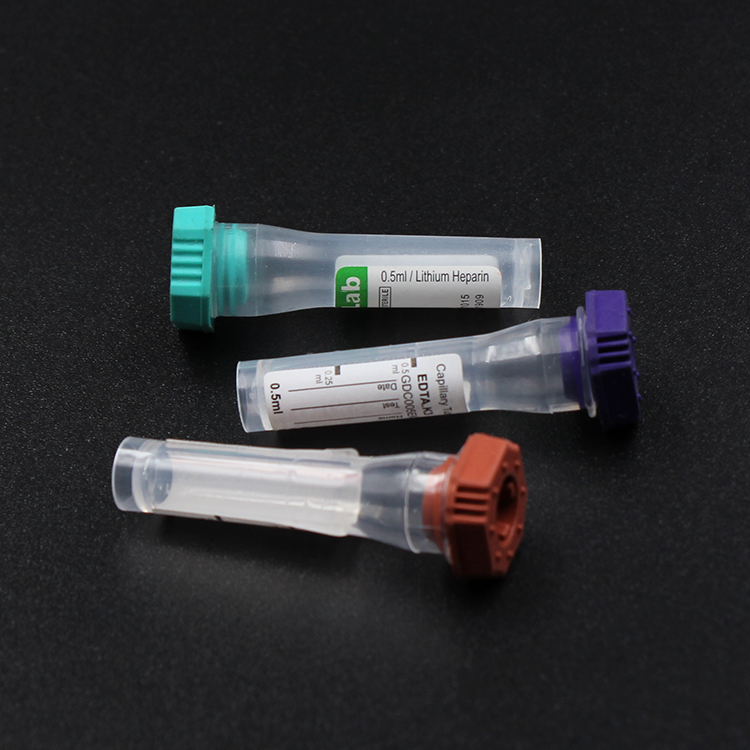
The small size of capillary tubes makes them suitable for handling small sample volumes. They are commonly used in blood collection and microsampling, where a small amount of blood or other bodily fluids needs to be collected for analysis. Capillary tubes are also utilized in chromatography techniques, such as thin-layer chromatography, to separate and analyze chemical compounds.
In industrial applications, capillary tubes are used for various purposes, including fluid flow control, liquid level measurement, and calibration of instruments. They can be found in devices such as flowmeters, manometers, and pipettes.
Capillary tubes are available in different lengths and internal diameters, allowing for customization based on specific requirements. They may be disposable or reusable, depending on the application and the materials used in their construction.
When using capillary tubes, it is important to handle them carefully to prevent breakage or contamination. Proper cleaning and sterilization procedures should be followed to ensure accurate and reliable results, especially in medical and diagnostic applications.
In summary, capillary tubes are thin, cylindrical tubes with a small internal diameter used for precise measurement, transfer, or manipulation of small volumes of liquids or gases. They find applications in various scientific, medical, and industrial fields and are essential tools for accurate fluid handling and analysis.